
Kitting and co-packing services in Indianapolis
Kitting, co-packing, and assembly projects, from a one-week build to a two-month program. We staff the job to your deadline, then store and ship the finished product from the same floor. Hands-on work, done here since 2006.
The work that happens before an order can ship
Components arrive from different suppliers on different days. Somebody has to turn them into one thing a customer can receive or a retailer can shelve. That work is hands-on, it does not automate well, and it is the reason large automated 3PLs tend to turn it down.
- Kitting: separate items gathered and packed into one ready-to-ship unit, such as a boxed set, a welcome kit, a sample set, or a classroom pack.
- Co-packing: retail-ready packs, multipacks, and promotional bundles built to your specification.
- Assembly and sub-assembly: components built into a finished product or display before it goes out.
- Shrink-wrapping and repackaging: product sealed, moved into new packaging, relabeled, or reconfigured for a different channel.
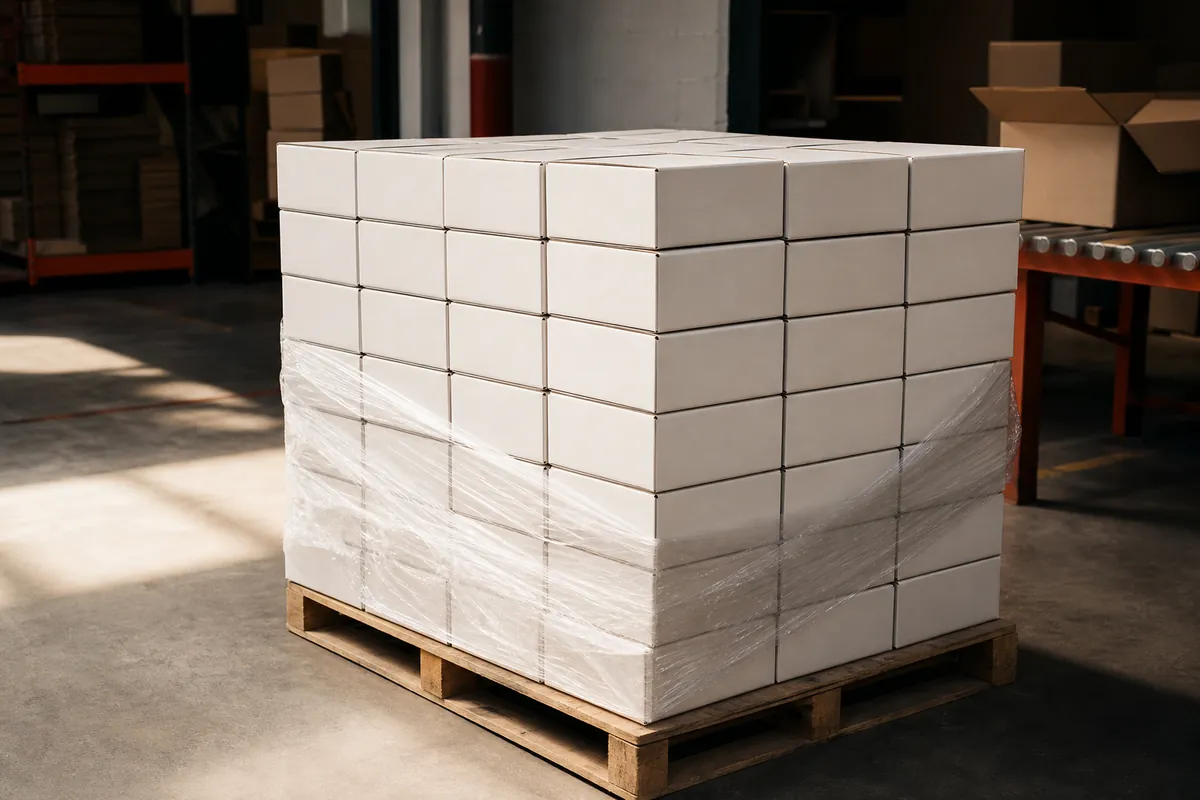
100,000 boxed sets in 21 days
A publisher had a five-book boxed set due in stores alongside a major film release. Then their printer ran three weeks late.
The problem
The in-store date was fixed, and the books were going to arrive three weeks late. The client was weighing whether to split the job with a second 3PL. Splitting protected the deadline on paper, but they were worried about the quality they would get elsewhere. The author and the client's executive team were involved in the planning, so there was no quiet way for this to go wrong.
Our own contacts cautioned us not to promise more than we could deliver. So before committing, we ran time studies on the actual build.
What we did
- Added a second shift and worked three full weekends, with buy-in from our team leads and supervisors first.
- Brought on additional labor through our temporary labor partner.
- Leased extra equipment to handle the volume in the window.
- Received, packed, and shrink-wrapped every set: five books plus promotional material for the film.
- Coordinated the shipping schedule with the client and drop-shipped directly to their customers' distribution centers.
The result: we beat our production goals and finished ahead of the deadline. There were long days, equipment problems, and more cardboard and shrink-wrap waste than we have ever had to clear. For three weeks the warehouse did not look tidy. The deadline did not move. When it was done, the client's CEO called to thank the team.
How a kitting project moves through our floor
The build itself is rarely the hard part. Components that arrive short, late, or slightly different from the spec are. This is how we handle them.
1. We start from your component list
You send the bill of materials: every component, the quantity per kit, and when each one is expected to arrive. That list becomes the standard every inbound is checked against.
2. Every inbound is checked at the dock
Components are confirmed against the list as they arrive, quantity and detail. A short or wrong shipment is caught at receiving, not halfway down the build line, and we tell you the same day.
3. Late parts get a plan, not a surprise
If a supplier misses its date, you hear about it from us first. Usually the build waits for the part. When the deadline is fixed, we re-sequence the production schedule to protect it wherever we can.
4. Built, stored, and shipped from one building
Finished kits do not move to a second vendor. They go into our warehouse or straight out the door, to you, to end customers, or to your customers' distribution centers.
Built for jobs that need a crew for weeks, not a permanent line
Most kitting work is a project: a launch, a season, a promotion, a one-time build. It needs a crew for one week or two months, then it is done. That is the shape of work we are set up for. When a timeline calls for it we add shifts and weekends, and we cross-train our team so a project does not stall because one person is out.
It also holds up over years. Our longest-standing kitting and sub-assembly client has been with us for twenty years. They stopped asking us for quotes a long time ago.
If we think a carton or a spec will cause trouble, we will tell you before the build, not after. And we stand behind the work once it ships.
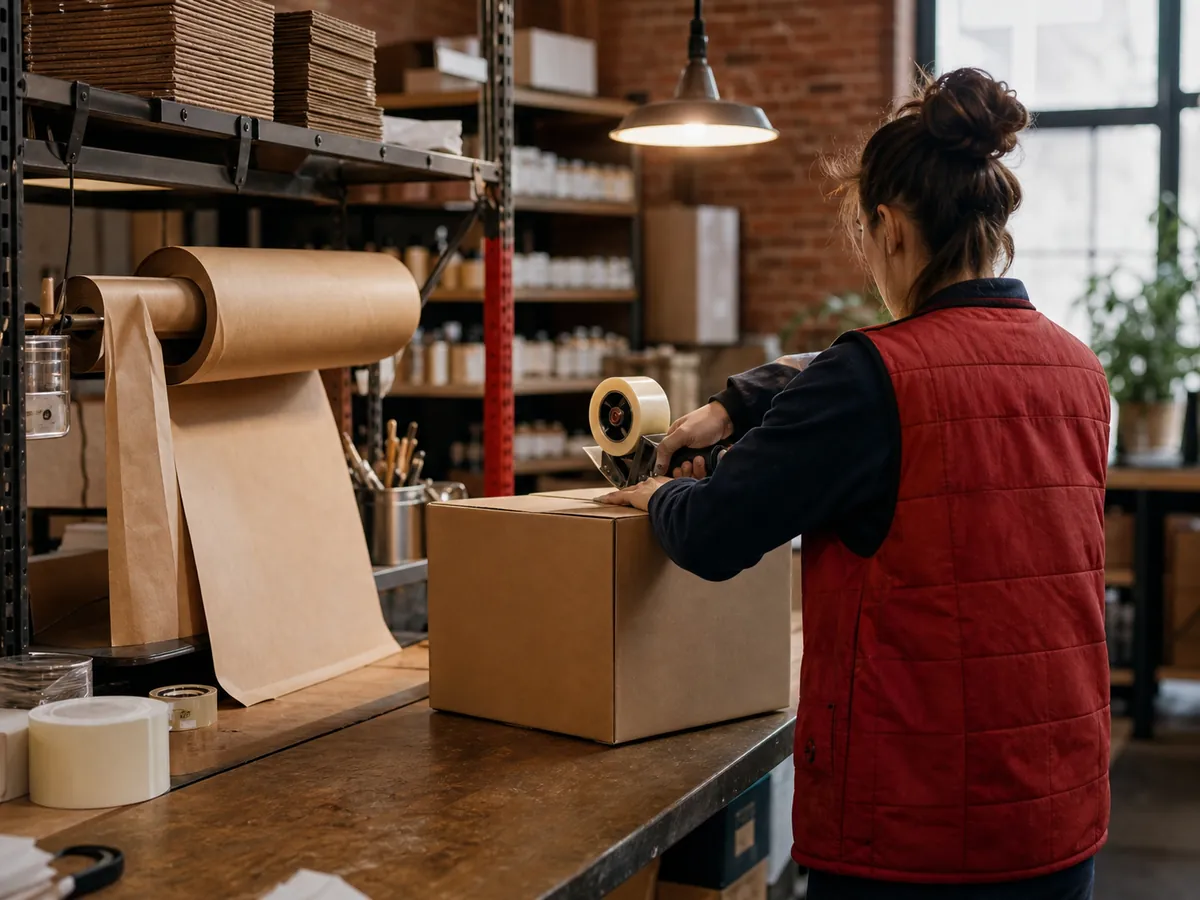
The details that make or break a project
Most people describe the routine 80% of a project well. The trouble lives in the other 20%: the variant for one account, the insert that changes mid-run, the item that ships separately. The fastest projects are the ones where those exceptions come up in the first conversation rather than the third week.
To quote a project we need your component list, the number of units, the deadline, the packaging spec, and where finished kits are going. Rough numbers are fine. Start with the quote form, or call and walk us through it. If the kits are part of an ongoing program, the B2B fulfillment page covers how orders to retail and distribution accounts run.
Tell us what goes in the kit
Send the component list, the unit count, and the date it has to be done. We will run the numbers and tell you straight whether we can hit it.
Common questions about kitting projects
What is kitting and co-packing?
Kitting is assembling multiple items into one ready-to-ship unit, such as a boxed set, a welcome kit, a product bundle, or a classroom set. Co-packing is packaging or repackaging product on a client's behalf, such as building retail-ready packs or promotional bundles. Value Added Resources has done both for publishers, distributors, and project-driven B2B clients in Indianapolis since 2006.
What is the difference between kitting and assembly?
In practice they overlap, and the line is about how finished the result is. Kitting usually means gathering separate sellable items into one packaged unit, where the components stay recognizable. Assembly usually means building components into a single finished product or display. We do both on the same floor, often within the same project.
How long does a kitting project take?
It depends on three numbers: how many units, how many components go into each, and how much labor the build needs. Before we commit to a date we run a time study on the actual build, then staff to it. When a deadline demands it we add a second shift and weekend work. That is how a 100,000 unit boxed set program shipped in 21 days.
What do you need from me to quote a kitting or co-packing project?
Your component list, often called a bill of materials, with quantities per kit. The number of units, the deadline, the packaging or carton spec, and where finished kits ship. Rough numbers are fine to start. The details that matter most are the exceptions: the item that ships separately, the variant for one account, the insert that changes mid-run. Tell us those early.
What happens if a component arrives late or short?
Every inbound is checked against your component list as it arrives, so a short or wrong shipment is caught at the dock rather than on the build line. If anything is off, or a supplier misses its expected date, we tell you right away. Usually the build waits for the missing part. When there is a hard deadline, we re-sequence the production schedule to protect it wherever we can.
Do you have a minimum project size?
No. We have built small runs for individual authors and six-figure unit programs for large publishers. Projects that are too small, too hands-on, or too short for a big automated 3PL are a good fit here.
Can you ship finished kits to our customers' distribution centers?
Yes. Finished kits can ship to you, to end customers, or directly to your customers' distribution centers on a schedule coordinated with yours. If your retail accounts have specific labeling, routing, or EDI requirements, tell us at the start so we can confirm what the program needs before it begins.